
Courtship and orange blossom
Love, engagements and weddings on the Island of Elba in the 1950’s
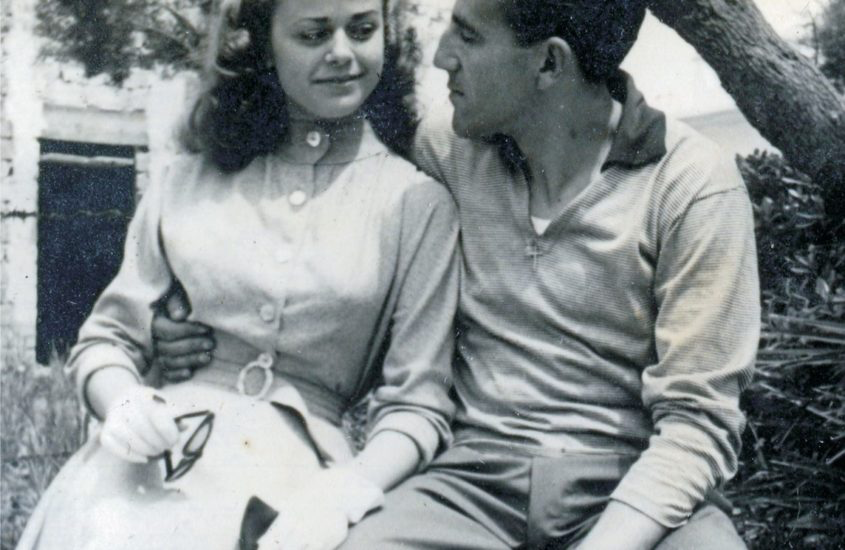
The term courtship makes me think of serenades, flowers, gifts, sighs, love letters, trepidation, hopes, illusions and delusions. It is a term that belongs to the past, because that demanding and tiring romantic phase that preceded engagement is almost inexistent today. Even the generation born after World War II experienced it only marginally, because the cultural revolution of 1968 swept it away like a hurricane and proposed greater sincerity between the genders and a sexual freedom that was unknown to our grandparents and parents, breaking taboos and secular values, preconceptions and hypocrisies. Thus, courtship ended up in the attic, along with things from other times, like an out of fashion dress, a hat with a veil, an ostrich feather boa. Of courting, there was no longer need. Naturally, at the dawning of a new love, the game of glances resisted, as did moving a little closer during a slow dance, a timid caress and a whispered I like you, I love you at a party; but the response to the declaration was anticipated and expected almost right away. It was about saying yes or no, to find oneself engaged from one moment to the next. There was no need for all of the strategies of conquest set out by our parents. Today, our children are even more impatient. With a text message they communicate an emotion, a feeling, an appreciation. I fear that the language is often unromantic and that bridges are quickly burned. I am sure, though, that even today exceptions exist and I hope that perhaps some poet will go out of his way to find a fitting aphorism for seduction. The bride always brought a dowry, dependent on the resources of the family and possibly including assets of considerable value. Even the poorest of young women offered a hope chest, or rather a set of linens for household that had been patiently collected by their mothers since they were little girls, object after object, inside a trunk perfumed with fragrant lavender: sheets, tablecloths, towels, nightgowns… A mother’s offerings of happiness for her daughter slipped between those linens, the silk, and damask! In addition to the dowry, the bride had to possess something physical, intimate, and personal: virginity. For this reason, the two lovers were never left alone together: a brother or sister acted as chaperon and accompanied their walks.
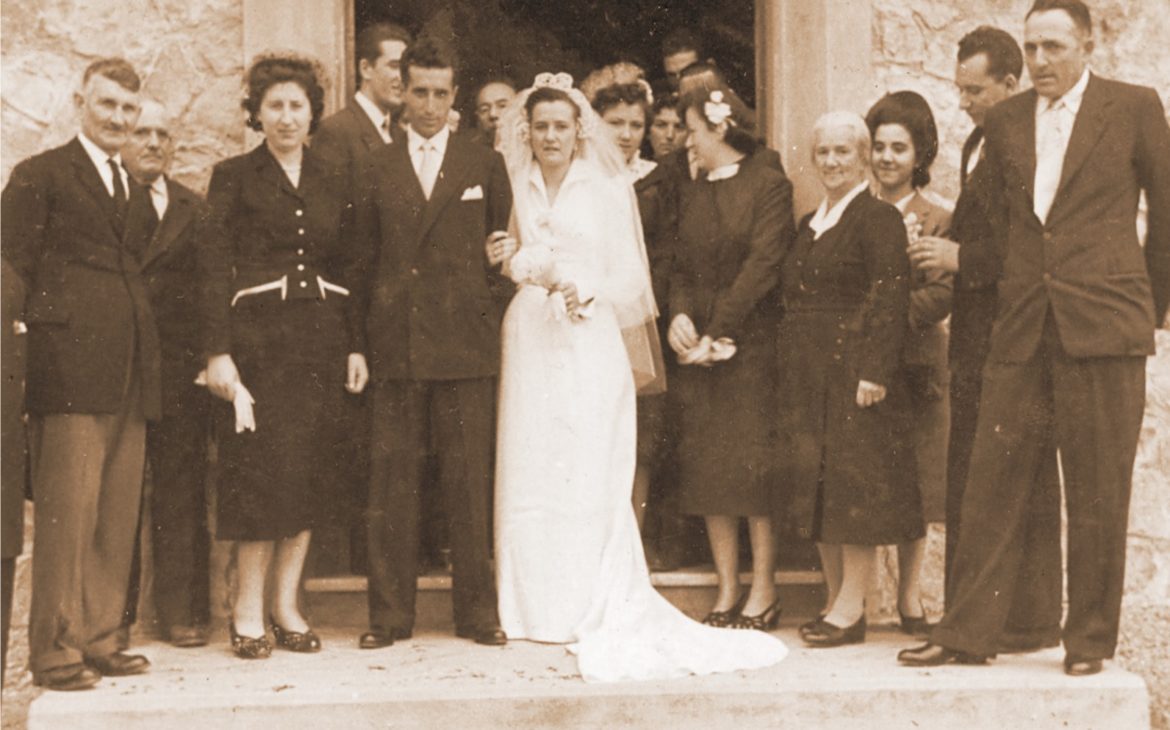
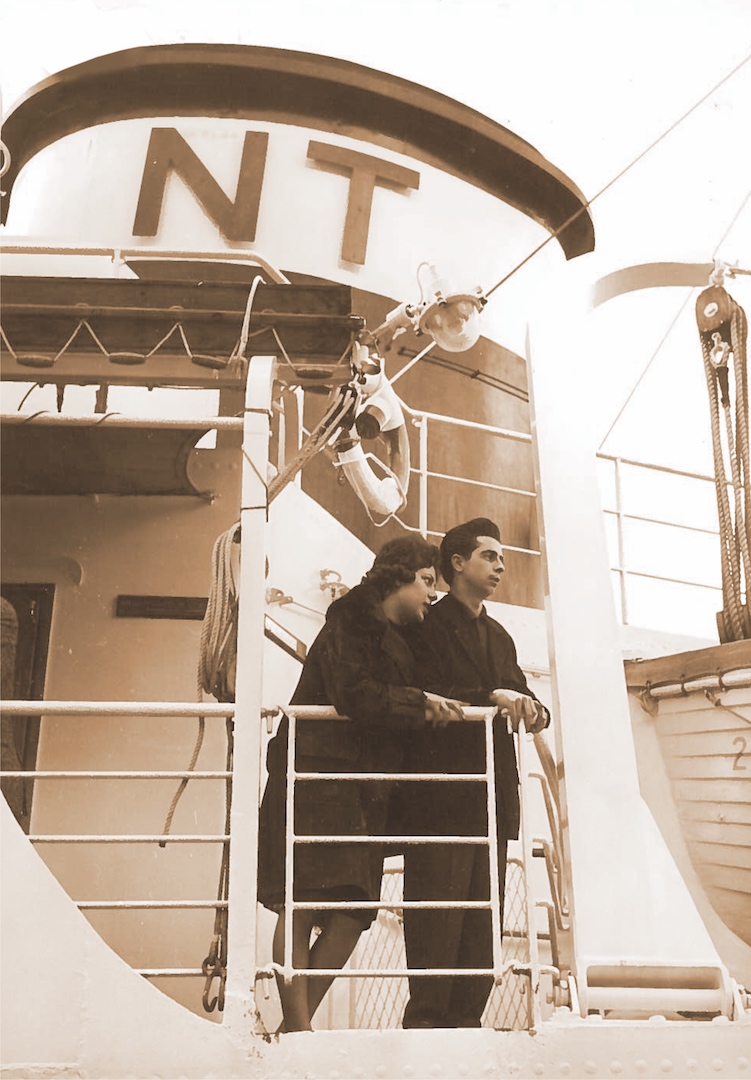
Courtship was a test: probing the depths of interest and patience; demonstrating, with affectionate letters, the request for dates, floral gifts, serenades, or the involvement of intermediaries in the peroration of the cause, the degree of emotional involvement, sensitivity, reliability, and availability to bond forever your existence to that of another person. Forever. The marriage was indissoluble, and so the choice of the partner had to be prudent and evaluated in all its aspects. Much hanging about the house, seemingly casual encounters, and notes delivered by accomplice friends set the courtship underway. Then, if all went well, you began to talk. Each village had its own appointed not too secluded places to meet: a quiet little street, a low shoreline wall, the shade of a tamarisk tree, a park bench, the corner of a flowery meadow, perhaps Santa Caterina a Rio or the Tonietti Chapel in Cavo on the day after Easter. You could talk face to face, finally, getting to know each other and taking on less formal attitudes. It was difficult to keep the secret of the newly budding love and news traveled fast (“Did you know that so-and-so is seeing such-and-such!?). The girl’s family then went on alert, waiting for the second most important step of the aspiring son-in-law, the question, his official request to date the loved one, presenting himself with a declaration of the seriousness of his intentions. Becoming a fiancé was a heart-pounding event and, if everything went right, shortly thereafter there would be a little party to make the engagement official with the exchange of rings, promises of marriage and a red rose bouquet. From that moment on, the lovers were promised and up to the big day when, after dressing in her virgin white and clutching a bouquet of orange blossoms, the bride moved on the arm of her father and found herself at the head of a procession that moved two by two, men and women, toward the church where the bridegroom, elegant in his dark suit, waited impatiently at the altar for the arrival of his fiancée. After the ceremony, the newlyweds greeted family and friends with embraces and tears. Finally, they appeared on the doorsteps of the church under a shower of rice and the best wishes of onlookers. Bride and groom responded by throwing handfuls of sugared almonds that for children meant a race to pick up as many as possible, sneaking between the legs of guests to grab them up. Then, the excited and happily married couple led everyone toward refreshments and a beautiful table set with china and crystal laden with cakes, pastries, hot chocolate and typical island sweets waiting to delight all. At day’s end, they departed for their honeymoon. The newlyweds, dressed in new and elegant clothes, were escorted to the harbor by a noisy crowd of friends and relatives. Even the ship’s horn sounded for the valuable cargo in a sign of celebration and farewell.
This article is been written by Maria Gisella Catuogno for the magazine of touristic promotion Elba Per2 (2014 Edition).